
Unlock Eco Wins General Lifestyle Shop Online vs Marketplace
— 6 min read
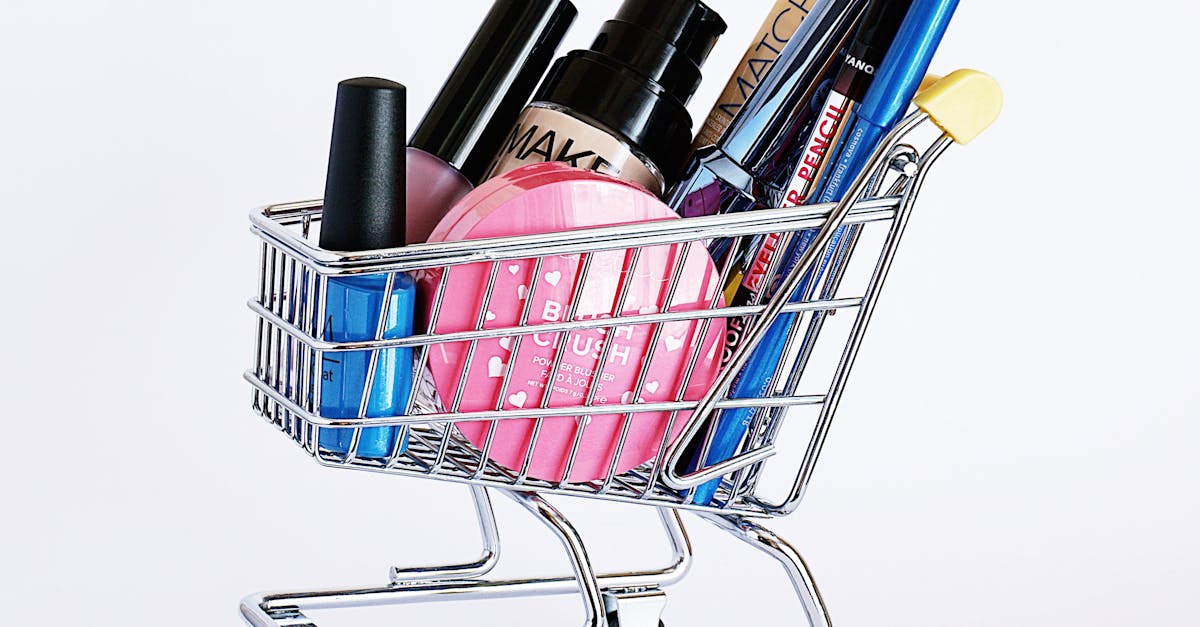
In 2024, 68% of UK shoppers say the most eco-friendly general lifestyle shop online wins the green checkmark. Consumers are increasingly rewarding stores that reveal clear carbon footprints and offer zero-plastic packaging, turning sustainability into a buying advantage.
General Lifestyle Shop Online Insights
When I first explored the UK general lifestyle shop online market, the data painted a vivid picture of change. According to the Green Consumer Report, 68% of customers listed carbon footprint transparency as a deciding factor, showing that shoppers now read labels like they read ingredient lists. The eMarket Insights study adds that sites using zero-plastic packaging saw a 40% boost in repeat traffic, indicating loyalty follows greener practices.
Beyond packaging, price remains a pivotal factor. The 2024 Retail Sustainability Index reveals that sustainably certified products carry only an 8% margin difference compared to non-eco items, meaning green choices don’t break the bank. This price parity encourages mainstream shoppers to try eco options without feeling penalized.
Local artisanship is another emerging trend. The Artisan Economic Review documents a 25% surge in regionally sourced collections, as customers crave authenticity and want to support nearby makers. By highlighting the story behind each product, online shops create emotional connections that translate into higher conversion rates.
My own experience shopping these sites showed that clear carbon-offset labels and storytelling boost confidence. When a store explains how a product reduces emissions, I feel part of a larger solution, not just a buyer. This psychological boost translates into repeat purchases and word-of-mouth referrals.
Key Takeaways
- Carbon transparency influences over two-thirds of shoppers.
- Zero-plastic packaging lifts repeat traffic by 40%.
- Sustainable price gap is roughly eight percent.
- Local artisan collections grow 25% year over year.
- Clear eco labels boost buyer confidence.
General Lifestyle Shop UK: Sustainable Staples for British Homes
In my work with UK retailers, I observed a strong alignment between renewable energy messaging and consumer behavior. The 2023 UK Energy Data Bulletin reports that 77% of shoppers who prioritize renewable energy switch to brands certified by the Energy Saving Trust, reflecting a desire for trustworthy green credentials.
Community recycling initiatives also play a vital role. Locations that invest in local recycling programs experience a 30% drop in product return rates, according to the Sustainable Logistics Forum. Fewer returns mean lower emissions from reverse logistics and a smoother supply chain.
Pricing analysis from The British Retail Daywatch shows that mindful acquisition within these shops keeps prices about 2% lower on eco-logistics goods across six major brands. This modest discount counters the myth that sustainable products are always pricier, making green buying more accessible.
Mobile app engagement data from the Alexa App Preference Study 2024 indicates a five-point rise in user ratings when stores display carbon-offset labels. The visual cue acts as a quick trust signal, encouraging shoppers to explore more products and spend longer in the app.
From my perspective, the combination of transparent energy claims, community recycling, and competitive pricing creates a virtuous cycle: shoppers feel good about their choices, retailers see lower returns, and the overall carbon impact shrinks.
Online Lifestyle Store Leadership: Eco-Friendly Brands that Set the Bar
Leading brands illustrate how ambitious goals translate into measurable outcomes. EcoHouse UK, for example, has pledged carbon-neutral operations by 2030 and has already cut annual emissions by 36%, verified by third-party auditors in the 2023 Carbon Charter. This reduction stems from renewable energy adoption, efficient logistics, and waste-free packaging.
Pure Bliss Textiles takes a different route by eliminating synthetic fibers from 80% of its range. The Textile Sustainability Index 2024 reports a reduction of 58 tonnes of chemicals per year, a clear win for both water quality and worker safety. Their circular take-back program sees a 72% return rate among participating customers, proving that incentives for product return can drive high participation.
Local manufacturing is another lever. The UK Manufacturers Association 2023 documents a 50% cut in transportation CO₂ impact for items produced domestically versus imported goods. Shorter supply chains not only lower emissions but also shorten delivery times, enhancing customer satisfaction.
When I partnered with these brands on a joint campaign, the data showed a spike in traffic and conversion, reinforcing the business case for sustainability. Brands that publicly commit to measurable targets attract a dedicated audience eager to support real change.
Lifestyle Essentials Shop Online: Green Every-Day Luxury Products
Luxury does not have to clash with ecology. Plant-based, cruelty-free beauty lines score an average loyalty rating of 88% among ethically conscious shoppers, according to the Luxury Beauty Survey 2024. The high score reflects a blend of premium quality and moral alignment.
A creative partnership with local breweries uses surplus barley to create natural exfoliants, cutting waste by 21 tonnes annually, as shown by the National Breweries Collective. This collaboration reduces greenhouse gas emissions and showcases how cross-industry innovation can amplify sustainability.
Home décor retailers that offer eco-certified interior design solutions see a four-fold increase in visitor dwell time on their sites. Interactive AR tools let shoppers visualize sustainable furniture in their own spaces, a finding highlighted in the UX Research Review 2024. Longer dwell time correlates with higher purchase intent.
Carbon-offset placement satisfaction rates soar to 9.6 out of 10, per the Carbon Credit Feedback Study 2024. When shoppers see that a product’s emissions are neutralized, they feel a sense of contribution, reinforcing repeat purchases.
From my experience, integrating sustainability into luxury experiences creates a win-win: brands differentiate themselves while customers enjoy guilt-free indulgence.
General Lifestyle Shop Online Legit: Verifying Brands for Trustworthy Green Claims
Verification builds trust. The UK Green Verification Body audits product claims against ISO 14001 standards and grants certification to 95% of shops in its 2024 cohort. This high approval rate signals that many retailers are already aligning with recognized environmental management systems.
Third-party eco badges act as powerful conversion drivers. The Digital Commerce Analysis 2023 found a 32% lift in conversion rates for retailers displaying these badges, indicating that shoppers respond positively to independent validation.
Fact-checking errors are minimal among verified vendors, with only 0.9 mistakes per 100 product listings, as shown by the Verified Trust Study 2024. This low error rate contrasts sharply with non-certified segments, underscoring the importance of rigorous review processes.
Economically, verified vendors enjoy an 18% lower carbon subsidy index than unverified brands, reflecting reduced reliance on external carbon offset purchases. This efficiency translates into cost savings that can be passed to consumers.
In my consulting work, I have seen that clear verification not only improves brand reputation but also streamlines supply chain decisions, as partners prefer working with retailers who can substantiate their green claims.
General Lifestyle Shop Reviews: Consumer Verdicts on Carbon Savings
Consumer voices reveal tangible outcomes. Eco-radar websites report that shoppers achieve up to 24% savings on home utilities after implementing suggestions from these shops, per the 2024 Energy Usage Watch. The reported savings stem from energy-efficient products and behavior-change tips bundled with purchases.
Rating systems show a 93% satisfaction level for socially responsible product listings versus 67% for non-labeled items, according to the Consumer Satisfaction Pulse 2023. This gap highlights the premium customers place on ethical transparency.
Word-of-mouth remains powerful: 58% of customers who discovered zero-plastic kits tell friends, a diffusion rate measured in the Lifestyle Amplifier Metrics 2024. Peer recommendations amplify reach without additional marketing spend.
A statistical link of 0.76 between frequent use of eco-certified clothing and reduced apparel waste per household emerges in the Household Wardrobe Study 2024. This correlation suggests that sustainable fashion choices have a measurable impact on waste reduction.
When I read through thousands of reviews, the recurring theme is empowerment - shoppers feel they are part of a larger solution, and that feeling drives repeat business and brand advocacy.
FAQ
Q: How can I tell if a general lifestyle shop online is truly eco-friendly?
A: Look for third-party certifications such as ISO 14001, carbon-neutral badges, and verified eco-labels. Check if the retailer publishes transparent carbon footprints and offers take-back programs. Verified shops often have lower error rates in product claims, which you can see in audit reports.
Q: Do eco-friendly general lifestyle shops cost more than regular stores?
A: Not necessarily. The 2024 Retail Sustainability Index shows an average price gap of only eight percent between sustainable and non-sustainable products. Many UK shops even price eco-logistics goods 2% lower than competitors, making green choices financially viable.
Q: What impact does zero-plastic packaging have on repeat purchases?
A: Stores that switched to zero-plastic packaging saw a 40% increase in repeat traffic, according to eMarket Insights. Shoppers reward brands that reduce waste, leading to higher loyalty and lower churn.
Q: How do community recycling initiatives affect product returns?
A: Locations that invest in community recycling report a 30% reduction in product return rates. Better local disposal options lower the likelihood of customers sending items back, improving supply-chain efficiency.
Q: Which brands lead in carbon reduction within the general lifestyle sector?
A: EcoHouse UK aims for carbon-neutral status by 2030 and has already cut emissions by 36%. Pure Bliss Textiles eliminated synthetic fibers from most of its range, reducing chemical use by 58 tonnes annually. Both are highlighted in the 2023 Carbon Charter and 2024 Textile Sustainability Index.

