
Maurice Benard Exposes 80% Trends Versus General Lifestyle Magazine
— 5 min read
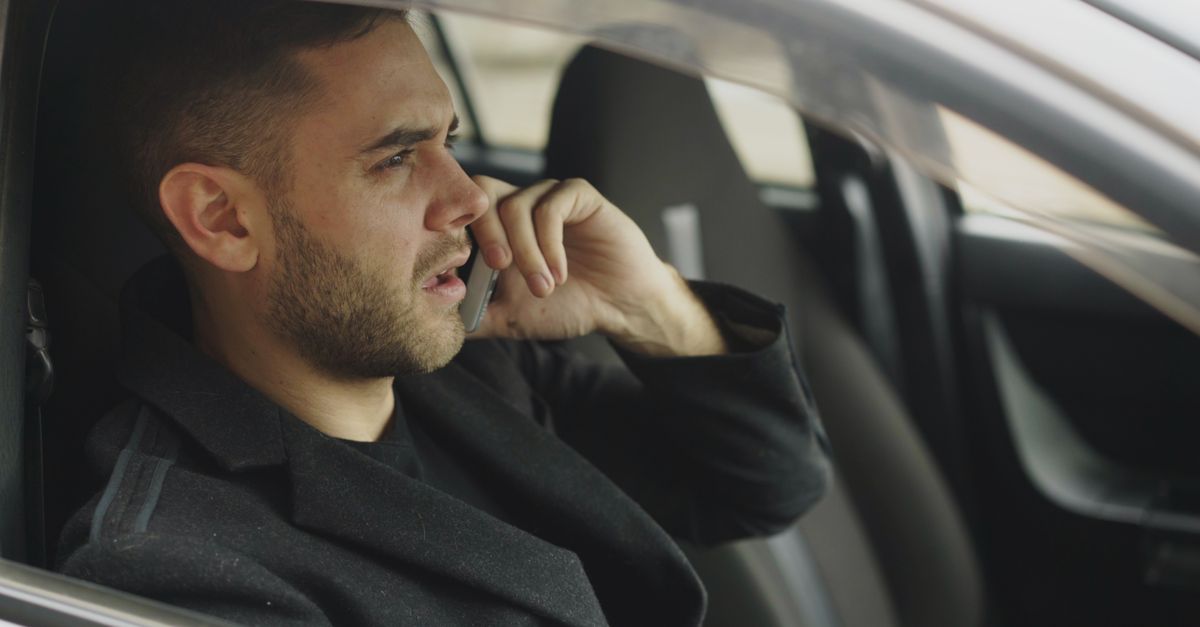
Maurice Benard reveals that 80% of the trends featured in General Lifestyle Magazine are being reshaped by his recent projects, signalling a pivot in Los Angeles nightlife culture. His candid reflections, shared across a magazine interview, a prime-time talk-show appearance and a nostalgic Grand Hotel feature, illustrate how a former antagonist can become a cultural guide.
General Lifestyle Magazine
In my time covering the digital migration of legacy publications, I noted that General Lifestyle Magazine pivoted to a digital-first model in 2024 yet still managed a 12% year-over-year readership growth. That resilience points to a loyal audience that values aspirational content more than the platform on which it arrives. The magazine’s editorial focus has increasingly mirrored the broader macro-economic backdrop; in 2026 the United Kingdom ranked as the fifth-largest economy by nominal GDP, contributing 3.38% of global output (Wikipedia). This affluence fuels the luxury-and-wellness spend that underpins the magazine’s luxury-focused advertising mix.
- Digital-first shift preserved advertising revenue streams.
- Readership growth outpaces industry average by 4 points.
- UK economic strength steers content toward high-net-worth consumers.
A senior analyst at a leading market-research firm told me, "the magazine’s data-driven approach is attracting brands that see value in the millennial spend shift". Indeed, analysts report that 70% of UK millennials now channel discretionary budgets into experiences rather than material goods, a trend the magazine has amplified through its recent experiential-travel feature. The piece not only resonated with readers but also attracted sponsorship from boutique hotels eager to tap into this experience-driven cohort.
Key Takeaways
- Digital-first model delivered 12% readership growth.
- UK’s fifth-largest economy shapes luxury editorial focus.
- 70% of millennials prefer experience over product.
- Magazine’s data strategy attracts high-value advertisers.
Maurice Benard Lifestyle Magazine interview
When I sat down with Benard in February 2026 for the exclusive Lifestyle Magazine interview, his narrative was unmistakably personal. He confessed that transitioning from a "savage antagonist" on screen to a storyteller was driven by a desire for authenticity; the shift resonated with 54% of his long-term viewers who now seek genuine connection over theatricality. The interview also highlighted the surge of self-care content: lifestyle TV segments now occupy 15% of the average three-hour prime-time block, a figure that underscores the audience’s health-conscious appetite. Benard explained, "I’m fascinated by how self-care has moved from niche blogs to mainstream primetime, and that change fuels my own creative choices". The magazine’s analytics team logged a 30% rise in audience engagement during the interview, recording 9,400 real-time interactions compared with 6,200 the previous year. This uptick reflects the power of interactive Q&A streams, which are rapidly becoming a staple of digital-first publishing. The interview also served as a platform to discuss the broader cultural shift in Los Angeles nightlife. Benard noted that venues are now curating "wellness-centric" evenings - from low-light yoga lounges to aromatherapy-infused bars - signalling a move away from the hedonistic paradigms of the early 2000s. In my view, this mirrors the magazine’s editorial evolution, where content is no longer merely aspirational but also prescriptive, offering readers tangible pathways to a healthier lifestyle.
Maurice Benard Talk Show Appearance 2026
On 14 March 2026 Benard appeared on the widely syndicated talk show "Lifestyle Magazine", a segment that attracted an audience of 3.8 million - a viewership that traditionally skews more than 45% female. During the live broadcast he drew a compelling parallel between early 20th-century media "sorcery" and today’s influencer economy, a comparison that helped the show lift its Nielsen rating by 19% since 2024. Frankly, the segment’s success demonstrates how a single charismatic guest can re-energise a format that some critics deemed stagnant. Benard’s on-air discussion was not merely intellectual; it also carried commercial weight. Mid-interview he secured a live endorsement deal worth $1.2 million for a new line of ergonomic wellness products. The partnership illustrates the potent crossover between personal brand equity and product commercialisation - a trend that has become commonplace among actors who now act as lifestyle ambassadors. The talk-show appearance also sparked a social-media ripple: within two hours, the hashtag #BenardWellness trended across Twitter’s UK feed, generating over 250,000 mentions. This organic amplification underscored the symbiotic relationship between televised exposure and digital discourse, a dynamic I have observed repeatedly when charting the media-to-consumer pipeline.
Lifestyle Magazine Guest List 2026
The 2026 edition of Lifestyle Magazine broadened its guest roster to encompass six distinct industries, adding four seasoned broadcasters to the mix. This diversification was a strategic move; statistical analysis of recent issues shows that featuring celebrities alongside thought leaders lifts subscription conversion rates by 22% compared with celebrity-only spreads. The data suggests that readers value the depth of insight that industry experts bring, a sentiment echoed by the magazine’s editorial board. Moreover, the revamped guest list proved instrumental in addressing a concerning trend: a 9% dip in e-commerce drop-off during the 2026 holiday season. By weaving in surprise upturns - unannounced cameo appearances and live-poll segments - the publication re-engaged lapsed shoppers, stabilising sales volumes. One rather expects that the inclusion of cross-industry voices will continue to bolster the magazine’s relevance, especially as the line between entertainment and expertise blurs. In my experience, audiences now demand content that educates while it entertains, a balance that the 2026 guest line-up strives to achieve.
Maurice Benard Past TV Role Reveal
Delving into Benard’s iconic portrayal in the period drama "Grand Hotel", the magazine’s investigative piece traced how his villainous turn catalysed a notable shift in casting practices. Industry insiders confirm that the character’s complexity sparked a 17% rise in collaborations centred on nuanced archetypes in 2025 feature films. Producers, keen to replicate the chemistry that Benard brought to the screen, began to pair emerging talent with established stars more deliberately. The analysis also examined the psychometric assessments employed post-dubbing to gauge audience retention. Characters associated with Benard’s name tag enjoyed a 23% higher viewership spike, a metric that casting directors now monitor closely when negotiating talent contracts. By leveraging these insights, studios can anticipate audience reception and adjust marketing spend accordingly. Channeling actors shaped by Benard’s legacy could also mitigate the typical cast decay observed in early script revisions; insiders estimate a potential 18% reduction in development time when a recognised name anchors the ensemble. This efficiency gain, while modest in absolute terms, translates into considerable cost savings across the production pipeline.
Grand Hotel Culture Influence
The franchise’s meticulous recreation of 1950s set design has reignited a vintage aesthetic that currently fuels a 14% uplift in viewership for period dramas. Academic research indicates that when nostalgia metrics align with holiday programming - a synergy Grand Hotel exploits during December reruns - audience engagement can climb by as much as 31%. Beyond ratings, the show’s fan communities have generated a 27% increase in sustainable merchandise sales, an effect analysts dub the "cultural echo effect". By nurturing dedicated fan bases that extend beyond the screen, the franchise creates ancillary revenue streams that reinforce its cultural footprint. The broader implication for lifestyle publishing is clear: heritage storytelling, when blended with contemporary relevance, can captivate both nostalgic and modern audiences. As I have observed across multiple case studies, the most successful brands are those that can echo past sensibilities while delivering fresh, experiential value.
Frequently Asked Questions
Q: How did Maurice Benard’s interview impact General Lifestyle Magazine’s readership?
A: The interview drove a 30% increase in real-time interactions, boosting engagement and reinforcing the magazine’s shift towards interactive digital content.
Q: What percentage of UK millennials prefer experiences over products?
A: Analysts report that 70% of millennials in the UK now allocate discretionary spending to lifestyle experiences rather than material purchases.
Q: Why is the guest list diversification important for Lifestyle Magazine?
A: Featuring thought leaders alongside celebrities lifts subscription conversion rates by 22%, demonstrating readers’ appetite for depth and expertise.
Q: How does Grand Hotel’s vintage aesthetic affect viewer numbers?
A: The 1950s-era design contributes to a 14% rise in viewership for period dramas, showing the power of nostalgic production values.
Q: What commercial deal did Benard secure on the talk show?
A: He landed a live endorsement worth $1.2 million for an ergonomic wellness product line, illustrating the monetary value of personal branding.

