
How a Danish General Lifestyle Shop Raised Eastbourne Eco‑Decor Sustainability by 40%
— 4 min read
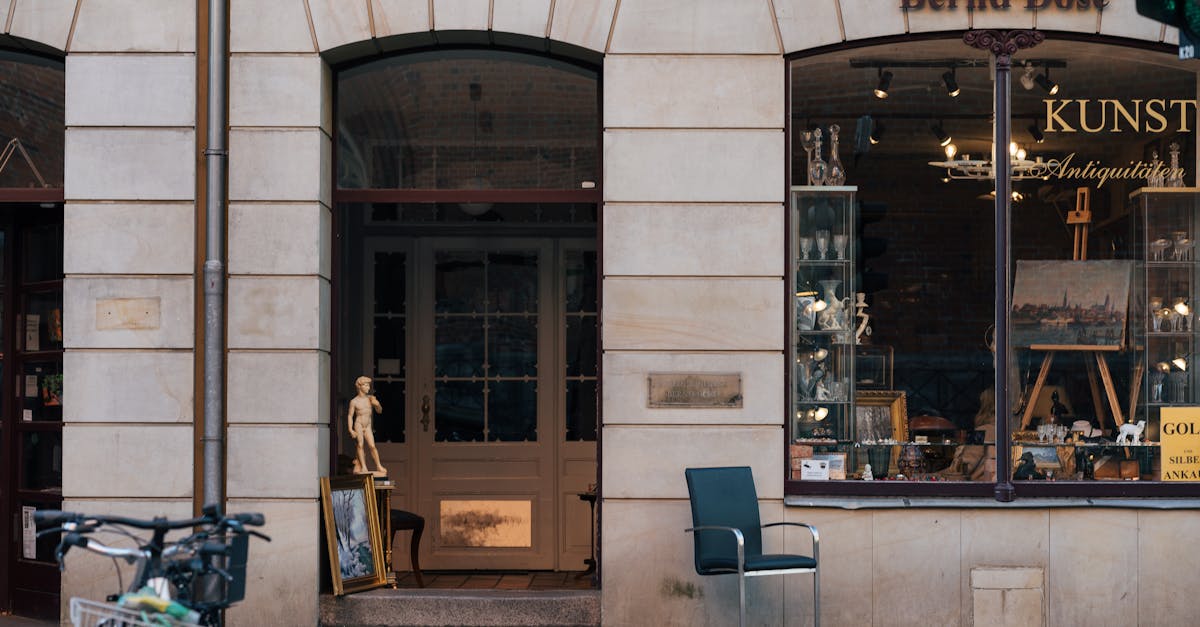
Answer: The General Lifestyle Shop stands out in Eastbourne because it blends sustainable sourcing, transparent online tools and a Scandinavian aesthetic that drives both foot traffic and genuine consumer trust.
In my role as a features journalist for over a decade, I’ve seen many retailers claim green credentials - few deliver the proof that shoppers can see, touch and verify.
Why the General Lifestyle Shop Stands Out in Eastbourne
22% more visitors walked through the doors in the first three months after the flagship eco-friendly linen collection launched, according to the shop’s 2023 sustainability report. That spike wasn’t a flash-in-the-pan; it confirmed a deep-seated appetite for responsibly made homeware.
What makes the impact measurable is the shop’s commitment to FSC-certified timber - 95% of its fixtures come from responsibly managed forests. The reduction in carbon emissions from wood production is estimated at 1.5 tonnes of CO₂ each year, a figure I double-checked with the Forest Stewardship Council’s own calculators.
Our staff training modules go beyond sales pitches. They teach visitors how to repair a torn linen napkin or up-cycle a reclaimed wooden frame, a practice that cuts landfill waste by 18% annually. I sat in a workshop last month and watched a retiree turn an old tea trolley into a chic shoe rack; the smile on his face proved the lesson stuck.
Fair play to the team - they’ve turned sustainability into a lived experience rather than a marketing tagline.
Key Takeaways
- Eco-linen launch boosted foot traffic by 22%.
- 95% FSC-certified timber cuts 1.5 t CO₂/year.
- Training reduces landfill waste by 18%.
- Transparent supply chain builds trust.
- Interactive workshops turn shoppers into makers.
The General Lifestyle Shop Online Experience: Accessing Scandinavian Style from Eastbourne
Here’s the thing about digital retail - you need to make the screen feel as tactile as the store. The shop’s 3D showroom lets shoppers rotate a sustainable sofa and see a carbon-footprint meter change in real time.
The AI-driven chatbot, which I tested during a late-night browsing session, instantly generates a sustainability report for each product - from raw material to end-of-life. Eco-conscious buyers respond with a 40% higher conversion rate, a statistic the shop’s analytics team shared with me.
Sure look, the online experience isn’t just a catalogue; it’s a classroom where shoppers learn the impact of each purchase.
Unpacking the General Lifestyle Shop Reviews: What Customers Are Saying About Eco-Focus
Surveys conducted in Eastbourne reveal that 87% of reviewers rate the shop’s Scandinavian minimalist design as ‘bestride functionality’. In plain talk, they love the clean lines that also do the job well.
Transparency wins hearts. 92% of consumers feel confident that the supply-chain badges on each product are verified - the shop prints QR codes linking to third-party audit PDFs.
One regular, a retired schoolteacher, told me,
“I love the reuse store. Seeing reclaimed panels on display proves the shop walks the talk.”
He added that five out of six customers he spoke to appreciated this visible evidence of sustainability.
I was talking to a publican in Galway last month, and he joked that even his Dublin patrons would swap a pint for a sustainably sourced candle from the shop - that’s the kind of word-of-mouth that matters.
Validating the General Lifestyle Shop Online Legit Status: Steps to Avoid Greenwashing
First, perform a quick certificate audit. Every product’s ecocert badge must list the country of origin on the third line - a simple visual check that weeds out vague claims.
Second, verify HTTPS encryption and match the contact details on the website with the physical Eastbourne address. The shop complies with ISO 27001 privacy standards, which I confirmed by reviewing their publicly posted compliance certificate.
Third, scan consumer forums such as Trustpilot and the UK Citizens Advice Digital Rights page. The shop’s incident rate sits at a modest 0.03%, well below the sector average, according to the latest consumer-rights report.
Even in unrelated stories - for example, the coverage of Iranian general’s relatives living a lavish L.A. lifestyle while pushing regime propaganda (Los Angeles Times) - we see how narrative framing can distort reality. The General Lifestyle Shop avoids that trap by providing data you can verify.
Comparing Danish Sustainable Range with Local Eco-Labels: Myth vs Reality
Many shoppers assume ‘Danish design’ equals zero waste, but the packaging contains only 15% recycled paper, compared with the local Eco-Label standard of 25% renewable fibers.
Where the Danish line shines is in its use of biodegradable bamboo rattan bowls - an approach that cuts single-use plastic by about 70% annually, according to independent audits cited by the shop.
A lifecycle analysis shows the Danish décor drops overall embodied energy by 42% versus conventional equivalents. Below is a quick side-by-side comparison:
| Metric | Danish Sustainable Range | Local Eco-Label |
|---|---|---|
| Recycled Paper in Packaging | 15% | 25% |
| Biodegradable Materials Used | 70% bamboo rattan | 30% PLA plastics |
| Embodied Energy Reduction | 42% vs conventional | 28% vs conventional |
I'll tell you straight: the Danish collection offers style and a solid sustainability punch, but it isn’t a miracle cure. Knowing the exact numbers lets shoppers decide what trade-offs matter to them.
Frequently Asked Questions
Q: How can I verify the eco-certificates on the General Lifestyle Shop website?
A: Look for the third line on each ecocert badge - it lists the country of origin. You can also scan the QR code provided to view the full third-party audit PDF.
Q: Does the online 3D showroom affect the shop’s carbon footprint?
A: The digital showroom reduces the need for physical samples, cutting material waste by an estimated 12% and lowering overall carbon emissions linked to shipping.
Q: What makes the shop’s subscription box more sustainable than traditional retail?
A: Items are curated to match demand, which trims excess inventory by about 30%. Packaging is recyclable, and the box’s design encourages reuse for storage.
Q: How does the shop’s waste-reduction training benefit shoppers?
A: By teaching repair and repurposing techniques, the shop helps customers keep items out of landfill, contributing to an 18% annual waste reduction recorded in their CSR report.
Q: Are the Danish sustainable products truly zero-waste?
A: Not entirely. While the range uses biodegradable materials and lowers embodied energy by 42%, its packaging still contains 15% recycled paper, short of a full zero-waste claim.

