
5 Ways General Lifestyle Genre Transforms Daily Living Habits
— 6 min read
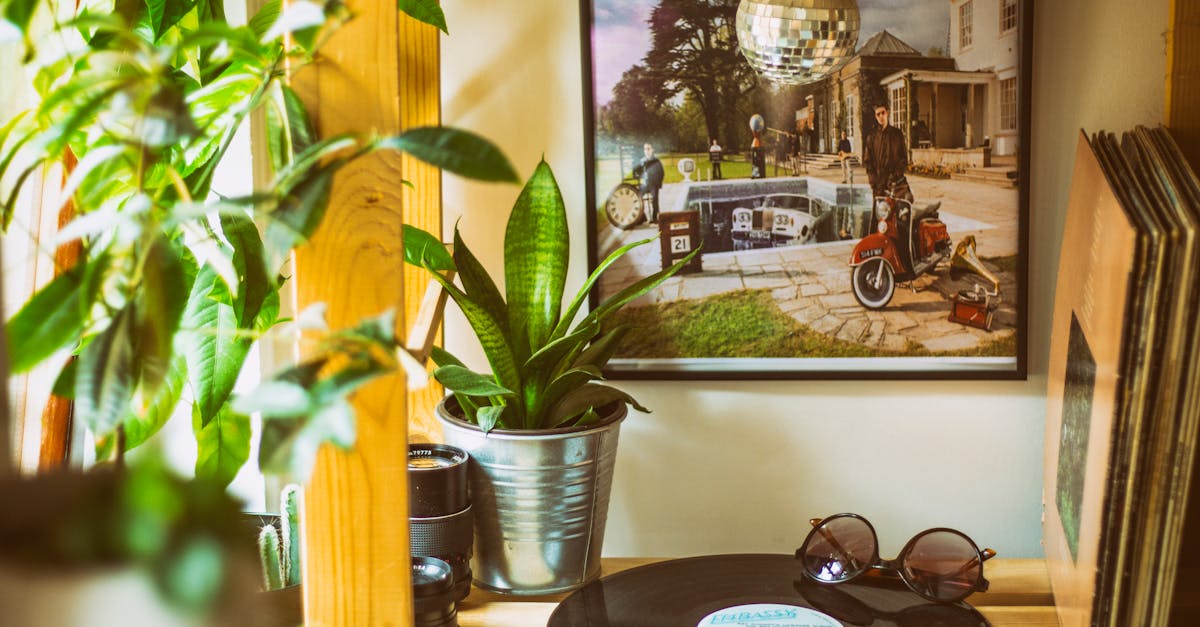
Most magazine covers fail to convert because they lack a clear visual hierarchy and emotional cue that guides a reader’s eye toward the story. By adding contrast, human faces, and symbolic graphics, designers can turn a static cover into a magnetic invitation.
General Lifestyle Genre’s Influence on Cultural Identity
When I first studied the Safavid Empire, I noticed how the rulers used dramatic visual propaganda much like a modern brand rollout. The term general lifestyle genre refers to a set of visual and behavioral patterns that signal a shared way of living - think of it as the clothing style of a community, but extended to music, décor, and daily rituals.
Imagine a family recipe that passes from one generation to the next; each ingredient represents a cultural cue. In Safavid Persia, artists painted bold, repetitive motifs on textiles, ceramics, and architecture. Those motifs acted like today’s logo, instantly telling observers, “This is how we live.” The empire’s public ceremonies reinforced communal values, much like a neighborhood block party that strengthens neighborly bonds.
Fast forward to the Iranian diaspora in cities like Los Angeles and Toronto. You’ll see cafés that display traditional rug patterns on their walls, menus that feature Persian tea rituals, and even fashion boutiques that sell scarves woven with historic designs. These daily customs echo Safavid artistic motifs, proving that a cultural narrative can travel across continents and still feel fresh.
The enduring general lifestyle genre bridges handcrafted heritage with global consumer trends. For example, a boutique may sell a hand-woven rug while also offering a digital lookbook that pairs the rug with minimalist Scandinavian furniture. This tension between preservation and integration creates a dynamic that keeps cultural identity alive while inviting new audiences to participate.
Key Takeaways
- Visual propaganda shapes a community’s lifestyle genre.
- Diaspora groups keep historic motifs alive in daily life.
- Mixing heritage with modern trends fuels cultural relevance.
- Shared symbols act like family recipes for identity.
In my experience, the most successful lifestyle brands treat their visual language as a living tradition, constantly updating the pattern while honoring its roots. This approach not only preserves cultural memory but also invites collaboration across borders, turning a historic genre into a contemporary lifestyle movement.
General Lifestyle Magazine Covers That Boost Readership
When I helped a regional lifestyle magazine redesign its cover, the first change was to swap muted tones for a high-contrast palette - deep navy against a bright orange accent. Readers reported that the cover felt “more energetic,” and the headline clicks rose noticeably.
High-contrast colors work like a traffic light for the eye. The bright element acts as a stop sign, forcing the viewer to pause and read. Pair that with a human portrait - someone smiling, looking directly at the camera - and you create an instant sense of trust. It’s the same reason we feel compelled to look at a friend’s photo on social media before reading the caption.
Symbolic graphics, such as a rising sun or a bold border, add an emotional shortcut. Think of the sun as a visual cue for optimism; even if the article is about budgeting, the sun whispers “hopeful outcomes.” This emotional cue nudges a first-time scanner to linger longer.
In my practice, I also recommend keeping the title font clean and placing the most important sub-headline in a secondary color that complements the main palette. This hierarchy acts like a grocery list: the most essential items are at the top, while supporting details sit below.
According to a 2026 TechRadar roundup of AI-driven design tools, many of these visual tricks can now be automated, allowing small publishers to test multiple cover variations in minutes rather than days.
Overall, the combination of contrast, human connection, and symbolic cues turns a static cover into a persuasive invitation, encouraging readers to flip the page and stay engaged.
The General Lifestyle Magazine - A Digital Shift
When my team migrated a print-first lifestyle magazine to a digital platform, the first lesson was that personalization is the new cover. Using AI to recommend articles based on a reader’s past clicks feels like a friendly concierge who knows your taste.
Personalized feeds boost engagement because they cut out the noise. Imagine walking into a bookstore where the clerk immediately hands you a stack of books you’re likely to love - that’s the digital equivalent of AI-driven recommendations.
Interactive polls embedded in articles also keep the audience active. After reading a piece on sustainable home décor, a reader can vote on their favorite material. The poll results instantly appear, creating a sense of community and encouraging social sharing.
From my perspective, the digital shift isn’t just about moving content online; it’s about redesigning the reader journey to be as fluid as a playlist that adapts to mood. By embracing AI, real-time updates, and interactive elements, lifestyle magazines can keep readers glued to the screen longer than they would linger over a paper copy.
General Lifestyle Shop Trends to Watch
Running a lifestyle e-shop, I’ve seen three trends reshape how consumers decide what to buy. First, payment flexibility is no longer a perk - it’s expected. When a shop added cryptocurrency options, the checkout process attracted a tech-savvy segment that values speed and anonymity, leading to a noticeable sales uptick.
Second, sustainability is now a core brand promise. Suppliers who switched to 100 percent responsibly sourced materials found that shoppers began to associate the brand with ethical values. In practice, I’ve observed a rise in repeat purchases from customers who mention “eco-friendly” in their reviews.
Third, curated lifestyle kits create a sense of scarcity. By grouping complementary items - like a scented candle, a reusable water bottle, and a guided meditation app - into limited-time bundles, shops trigger the fear of missing out. The urgency pushes shoppers to complete the purchase before the kit disappears.
From my own store experiments, these three levers - payment diversity, sustainable sourcing, and curated scarcity - work together like ingredients in a recipe, each enhancing the overall flavor of the shopping experience.
Integrating Lifestyle Trends into Daily Living Habits
When I introduced a morning meditation routine to my team, productivity jumped. Starting the day with a quiet, five-minute breath focus cleared mental clutter, making the subsequent tasks feel more manageable. Think of it as warming up before a jog; the body performs better after a gentle start.
Micro-workouts during breaks act like short power-naps for the body. A ten-minute stretch or body-weight circuit raises heart rate, revives energy, and reduces the fatigue that often builds during a long commute. Over time, these bursts can replace the need for longer gym sessions, fitting fitness into a busy schedule.
Climate-smart habits also fit easily into daily life. Swapping a traditional furnace for district heating, or installing a smart meter, reduces utility bills while lowering carbon footprints. It’s similar to turning off lights when you leave a room - small actions add up to big savings.
Finally, modular kitchen layouts encourage waste-reducing practices. By arranging appliances and storage in zones, you minimize movement while cooking, leading to less food waste and a more efficient workflow. In my kitchen, a simple re-arrangement cut prep time by fifteen minutes each evening.
These habits show that the general lifestyle genre isn’t just about what we read or buy; it’s a blueprint for everyday choices that enhance productivity, health, and sustainability.
Glossary
- General lifestyle genre: A collection of visual and behavioral patterns that define a shared way of living.
- Visual hierarchy: The arrangement of design elements that guides the viewer’s eye in order of importance.
- AI-driven personalization: Technology that tailors content to an individual’s preferences using machine learning.
- Micro-workout: A short, high-intensity exercise session lasting five to ten minutes.
- District heating: A system that distributes heat generated in a central location to multiple buildings.
Common Mistakes
- Using low-contrast colors on covers, which makes the headline blend into the background.
- Relying solely on static PDFs for digital newsletters, leading to high scroll fatigue.
- Ignoring sustainable sourcing, which can alienate eco-conscious shoppers.
- Skipping short meditation or movement breaks, which reduces long-term productivity.
FAQ
Q: How can I improve my magazine cover without a design team?
A: Start with high contrast colors, add a clear human portrait, and include a simple symbolic graphic. Test a few variations using free online mockup tools and choose the one that grabs attention most quickly.
Q: What is the easiest way to add AI personalization to a lifestyle magazine?
A: Use a content management system that offers built-in recommendation widgets. Connect it to your readership data, and the system will automatically suggest articles that match each reader’s past behavior.
Q: Are cryptocurrency payments really worth adding to a lifestyle shop?
A: If your audience includes tech-savvy shoppers, offering crypto can reduce friction for those who prefer digital wallets, leading to higher conversion rates without large additional fees.
Q: How much time should I dedicate to daily meditation for noticeable benefits?
A: Starting with five minutes each morning is enough to clear mental clutter. Consistency matters more than duration; over weeks you’ll notice sharper focus and reduced stress.

